Welcome to Aquaculture Conference
Australia 2026

The conference chairs and advisory board members are pleased to announce the Aqua Farm 2026, an International Conference and Exhibition on Aquaculture. Following the success of Aqua Farm 2026 held at Hilton Surfers Paradise Hotel & Residences, Queensland, Australia, we are thrilled to extend our warmest welcome to you to Aqua Farm 2026 scheduled to take place in Gold Coast, Australia from September 30 – October 02, 2026.

Aqua Farm 2026 has been carefully curated to shed light on the aquaculture industry in Australia and worldwide. The aims are to foster collaboration among aquaculture farmers and innovative aquaculture industries with academia and government. Raising the voice of aquaculture is essential to ensure that the fastest growing primary industry is engaging throughout the entire spectrum of politics, the economy, and the community.

The conference aims to bring together stakeholders involved in the sector, including leading academic scientists, researchers, and policymakers from various disciplines. It provides a platform for the exchange of the latest findings and trends in aquaculture and the blue economy technology, which is the new revolution in producing healthy, nutritious food and aqua ingredients driven by sustainability and circularity.

Aqua Farm Conference is uniquely designed to offer actionable insights, expert guidance, peer networking, and solution provider assessments. The experience promises to be unforgettable and transformative, enabling you and your organization to achieve enhanced performance in your critical priorities.

The significance of aquaculture in providing high-quality food and nutrition to the world's growing population cannot be overstated. We know aquaculture continues to be the fastest-growing food production sector globally, and that seafood is the world’s most globally traded food. Despite all the challenges, the need for food security and nutrition is a heavy burden, and it is only by coming together, meeting new people, listening to specialists, engaging in discussions, and sharing ideas that we will meet the demand.

The expansion of aquaculture, especially in Asia, at a rapid pace has brought about several challenges that have required long-term solutions. The region has witnessed exponential growth in aquaculture, and we have seen how this has been supported in variable ways by governments and communities. September 30 – October 02, 2026 is the opportune time for the global aquaculture community to converge at Aqua Farm 2026 in Gold Coast, Australia and promote lessons learned along with expanding your network.

The conference will also offer the opportunity as a premier interdisciplinary platform for researchers, practitioners, and educators to present and discuss the latest innovations, trends, concerns, as well as practical challenges encountered and adopted solutions in the fields of aquaculture technology. Education is a major key to advancement and Aqua Farm 2026 recognises the importance.

There will be many areas of innovation at Aqua Farm 2026 with round table discussions and dedicated Q&A sessions, ensuring discussions on many topics and providing opportunities for active participation. Additionally, there will be captivating networking opportunities for all attendees through activities before and after the conference, and given the early high interest, we anticipate that the event will be popular, so we encourage you to register early.

Conference Chair Conference Co-Chair

Roy D Palmer
Roy D Palmer
Association of International Seafood Professionals Australia
Antonio Garza de Yta

CEO, Intelligon,
Vice President of CIDEEA

Aqua Farm Conference Goal

Goal

Increasing seafood consumption through aquaculture development using an environmental, social, governance and health framework.

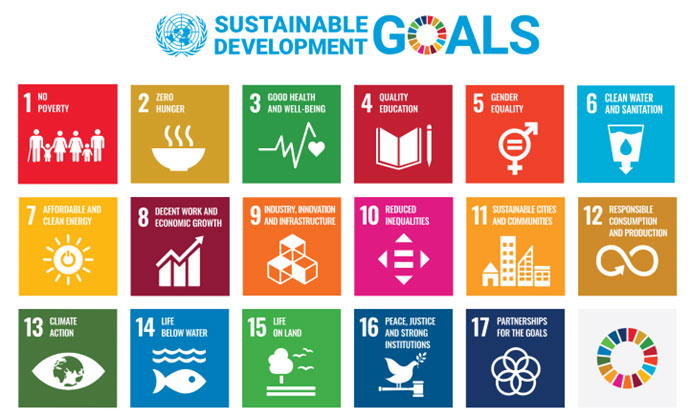
SUSTAINABLE DEVELOPMENT GOALS

image

THEMES

Overarching theme is:

Aquaculture Role in ESGH and Seafood Consumption Strategies

Scientists suggest that replacing land-based animal protein with seafood could provide climate stability strategies as well as improve human health and nutrition. There is much to explore on how aquaculture contributes to these issues and the roles of governments, science/research and industry improving impacts on the human condition.

CONFERENCE STREAMS AND TOPICS

AquaFarm 2026 is focusing on the sustainable development guidelines. All Abstracts and conference sessions will focus on one of the streams and the topic areas outlined under those streams.

1.Environment

  • Climate Stability through Increased Aquaculture Development:A study by Frontiers in Sustainable Food Systems highlights the effects of climate change on aquaculture production. Papers could explore how increased aquaculture development would contribute to climate stability and improved human and animal conditions.
  • Advancements and Sustainable Practices in Aquaculture:Technological evolution and practices have created significant advancements in aquaculture farming systems. Papers could focus on these advancements and how they contribute to sustainable diets and environmental performance.
  • Land and Offshore Aquaculture's Impact on Environmental Performance:: NOAA Fisheries has explored how fish farming improvements reduce the environmental impacts of aquaculture. Papers could delve into the comparison between land and offshore aquaculture and their respective impacts on environmental performance.
  • Recirculating Aquaculture Systems (RAS) and Controlled Environment:: The use of RAS in aquaculture has shown potential for improving productivity and environmental performance. Papers could present the benefits and challenges of using RAS and controlled environments in aquaculture.
  • Role of Brood stock in Sustainable Aquaculture:broodstock, or mature individuals kept for breeding, play a crucial role in the aquaculture industry. Papers could Investigate the role of broodstock in enhancing the environmental performance

2.Social

  • Innovations and Technology in Promoting Social Responsibility in Aquaculture:This topic explores how technological advancements and innovations in the aquaculture industry are being used to promote social responsibility e.g. the use of AI, IoT, and other technologies to improve efficiency, reduce environmental impact, and enhance animal welfare.
  • Aquaculture for Nations:: Research could delve into how organisations such as Aquaculture without Frontiers have initiatives in emerging nations that incorporate social responsibility practices and examine how these initiatives are contributing to food security, local economic growth, and poverty reduction.
  • Equitable Resource Allocation Strategies in Aquaculture Farming:: Investigate strategies for equitable resource allocation in aquaculture farming, and how these contribute to social responsibility. This might involve looking at how resources like water, feed, and energy are being responsibly managed to minimize waste and ensure fair distribution.
  • Role of Gender in Promoting Social Responsibility in Aquaculture:Research on this topic could examine the role of gender in the aquaculture industry, and how promoting gender equality can contribute to social responsibility. This might involve looking at the representation and treatment of women in the industry, and how this affects productivity, sustainability, and social equity.
  • Digital Transformation in Aquaculture: promoting social responsibility!! Harnessing Technology for Sustainable and Responsible Production: This topic could explore how digital transformation in the aquaculture industry is being used to promote sustainable and responsible production. This might involve looking at the use of digital tools and platforms to improve efficiency, track and reduce environmental impact, and ensure ethical practices.
  • Workplace Management Strategies for Increasing Production and Social Responsibility in Aquaculture:: Research on this topic could investigate how various workplace management strategies are being used in the aquaculture industry to increase production while also promoting social responsibility. This might involve looking at practices like employee training, fair labour practices, modern slavery, and workplace safety measures.
  • Cultural Preservation of Aquaculture Strategies and Practices: Papers will discuss the cultural significance of indigenous aquaculture practices and strategies and the initiatives for their preservation. Presenters will explore how traditional knowledge can be integrated into modern operations while respecting cultural protocol.

3.Governance

  • Disease Management in Aquaculture Systems:: This topic could focus on the governance and regulatory measures taken to manage disease outbreaks in aquaculture farms. The effectiveness of these measures could impact consumer confidence and seafood consumption.
  • Education Strategies for Development of Aquaculture:Research could delve into how educational initiatives, such as training programs for farmers and awareness campaigns for consumers, are governed and implemented. These strategies could play a crucial role in promoting sustainable practices and increasing seafood consumption.
  • The Law and Aquaculture:This topic could explore the legal framework governing the aquaculture industry. It could assess how laws and regulations related to sustainability, animal welfare, and food safety can influence consumer trust and seafood consumption.
  • Aquaculture Supply Chain & Marketing:: Research on this topic could investigate how governance mechanisms influence the supply chain and marketing strategies in the aquaculture industry. Efficient supply chain management and effective marketing could increase the accessibility and appeal of seafood, leading to increased consumption.
  • Insurance, Finance, and Handling Risks:This topic could focus on how governance policies regulate insurance, finance, and risk management in the aquaculture industry. Ensuring financial stability and risk mitigation could contribute to a reliable supply of seafood, thus encouraging increased consumption.
  • Trade, Export, and Import:: Research on this topic could examine the governance of international trade in the aquaculture industry. Regulations and agreements affecting exports and imports could influence the availability and price of seafood, potentially impacting consumption levels.

4.Health

  • Nutritional Benefits and Role of Aquaculture in Food Security:As per the study by Frontiers in Marine Science, aquaculture plays an increasing role in aquatic food security. In regions like Africa, fish provide 19% of animal protein intake. Papers could delve into the nutritional benefits of seafood consumption through aquaculture and its impact on global food security1.
  • Comparative Nutritional Analysis of Farmed Fish:The European Institute of Innovation & Technology has examined the nutritional benefits of eating farmed fish, comparing the similarities and differences between them and their wild counterparts5. Further research could focus on less popular or unknown seafood products from aquaculture in emerging markets.
  • Health Effects of Fish Consumption:Fish are known to be a source of several nutrients that are important for hormonal and metabolic function4. A research topic could be the comprehensive health effects of fish consumption, especially those sourced from aquaculture.
  • Genomics and Genetic Tools for Aquaculture Enhancement:Increasing seafood production is essential for future food banks. Papers could explore the contribution that genomics can make to this outcome.
  • Health Management and Market Demands for Aquaculture Products:On a similar theme how can seafood consumption be increased through marketing strategies to achieve better health outcomes. Papers could explore the types of marketing strategies and their target messages could deliver better health outcomes.
  • Aqua Feeds and Marine Ingredients:These essential ingredients form the basis for quality seafood products. Papers can outline how ingredients influence product quality and how that product quality can be used to increase seafood consumption.

Scientific Sessions of Aquaculture Conference

  • Climate Stability through Increased Aquaculture Development
  • Advancements and Sustainable Practices in Aquaculture
  • Land and Offshore Aquaculture's Impact on Environmental Performance
  • Innovations and Technology in Promoting Social Responsibility in Aquaculture
  • Aquaculture for Nations
  • Equitable Resource Allocation Strategies in Aquaculture Farming
  • Role of Gender in Promoting Social Responsibility in Aquaculture
  • Digital Transformation in Aquaculture: promoting social responsibility
  • Workplace Management Strategies for Increasing Production and Social Responsibility in Aquaculture
  • Cultural Preservation of Aquaculture Strategies and Practices
  • Disease Management in Aquaculture Systems
  • Education Strategies for Development of Aquaculture
  • The Law and Aquaculture
  • Aquaculture Supply Chain & Marketing
  • Insurance, Finance, and Handling Risks
  • Trade, Export, and Import
  • Nutritional Benefits and Role of Aquaculture in Food Security
  • Comparative Nutritional Analysis of Farmed Fish
  • Health Effects of Fish Consumption
  • Genomics and Genetic Tools for Aquaculture Enhancement
  • Health Management and Market Demands for Aquaculture Products
  • Aqua Feeds and Marine Ingredients

Supporting Partners


Media Partners

Media Partners
Media Partners
Media Partners
Media Partners
Media Partners
Media Partners
Media Partners
Media Partners
Media Partners

For regular updates, bookmark Aquaculture Conference Australia 2026 website